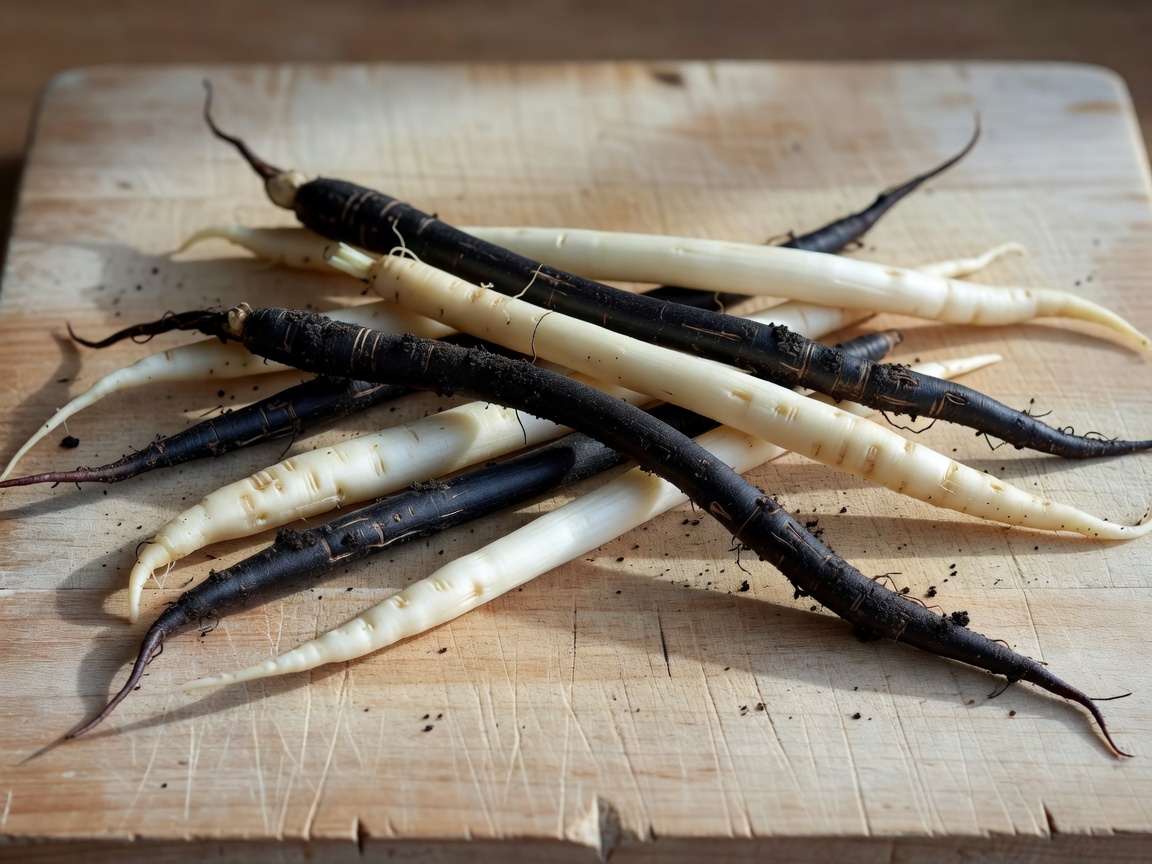
Salsify: The Oyster Plant
Once a staple of Victorian kitchen gardens, this long, slender root earned its moniker from a distinct flavour profile that mimics the maritime brininess of sea oysters.
Read GuideModern supermarkets prioritize yield, uniformity, and transportability. In the process, we have lost countless historic ingredients. Rediscover the culinary heritage that once defined our tables.
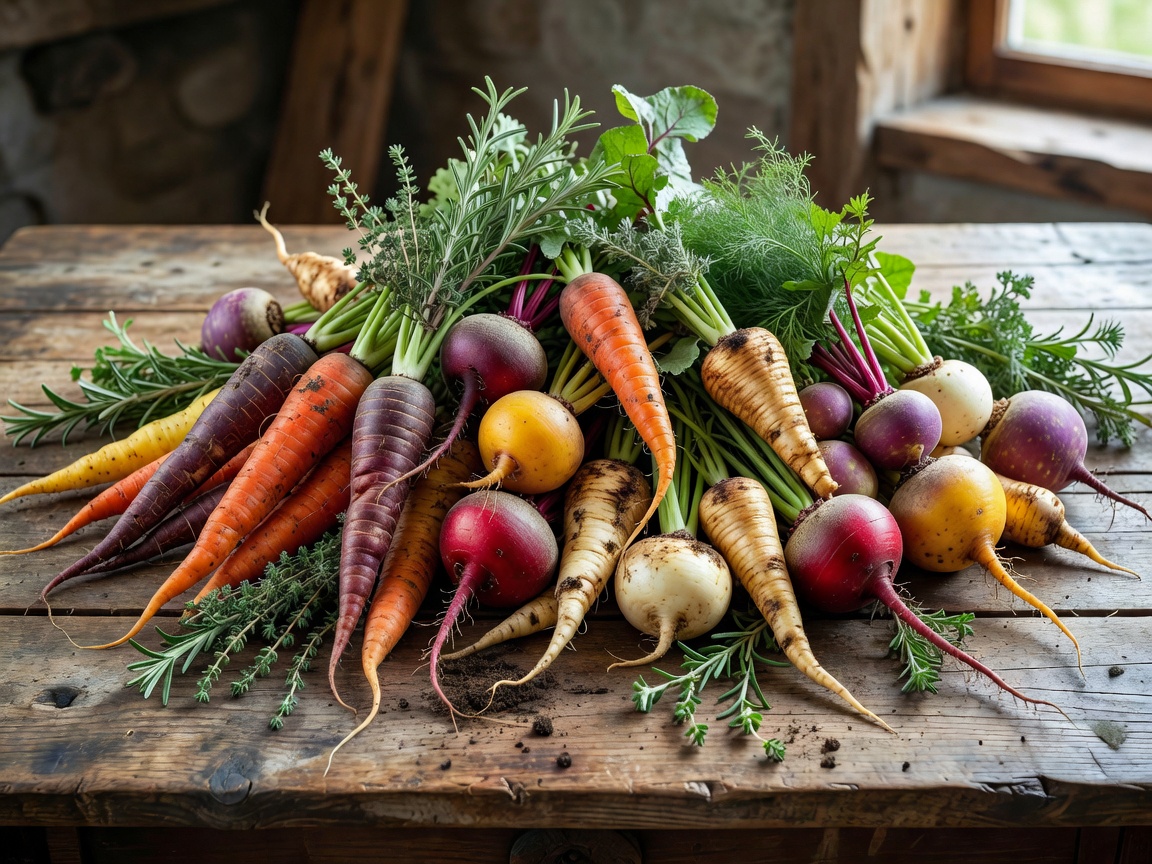
Once a staple of Victorian kitchen gardens, this long, slender root earned its moniker from a distinct flavour profile that mimics the maritime brininess of sea oysters.
Read Guide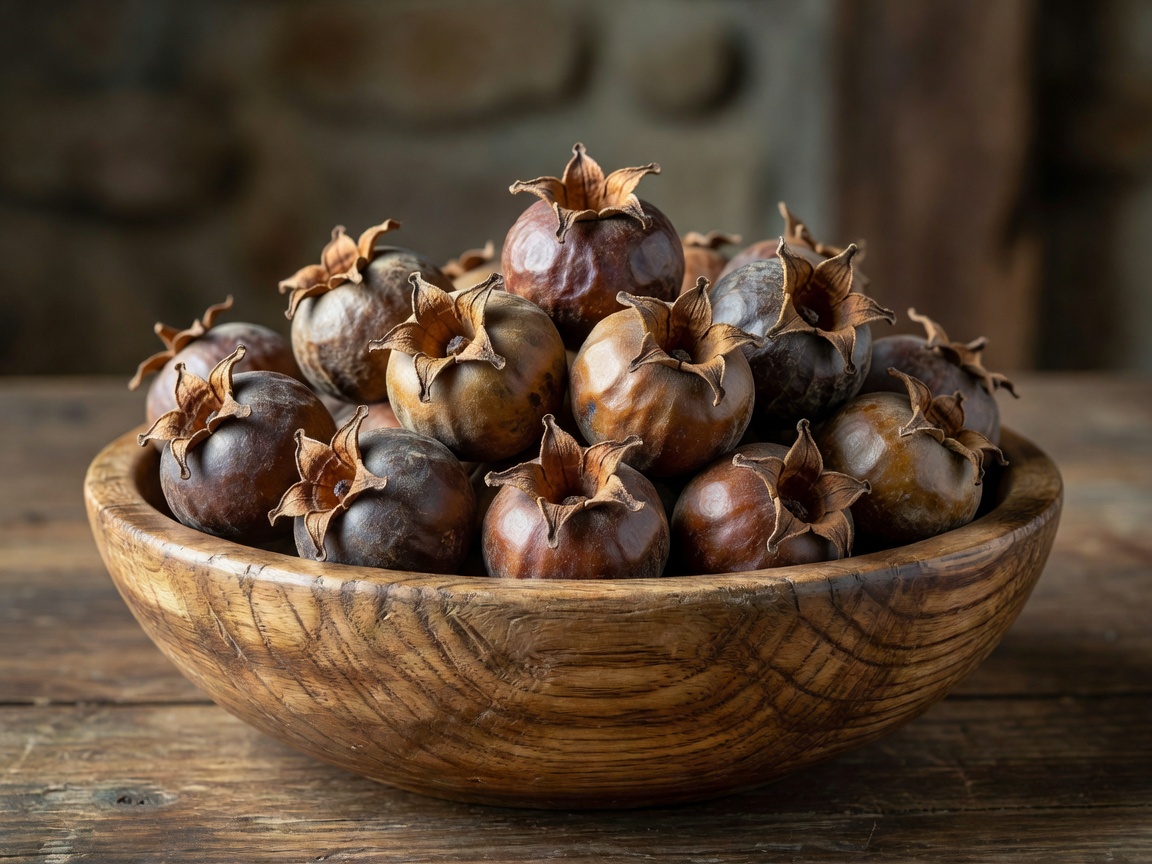
Famed in medieval Europe and referenced by Shakespeare, this curious fruit must partially decay—a process known as bletting—before its sweet, complex, apple-butter notes can be enjoyed.
Read Guide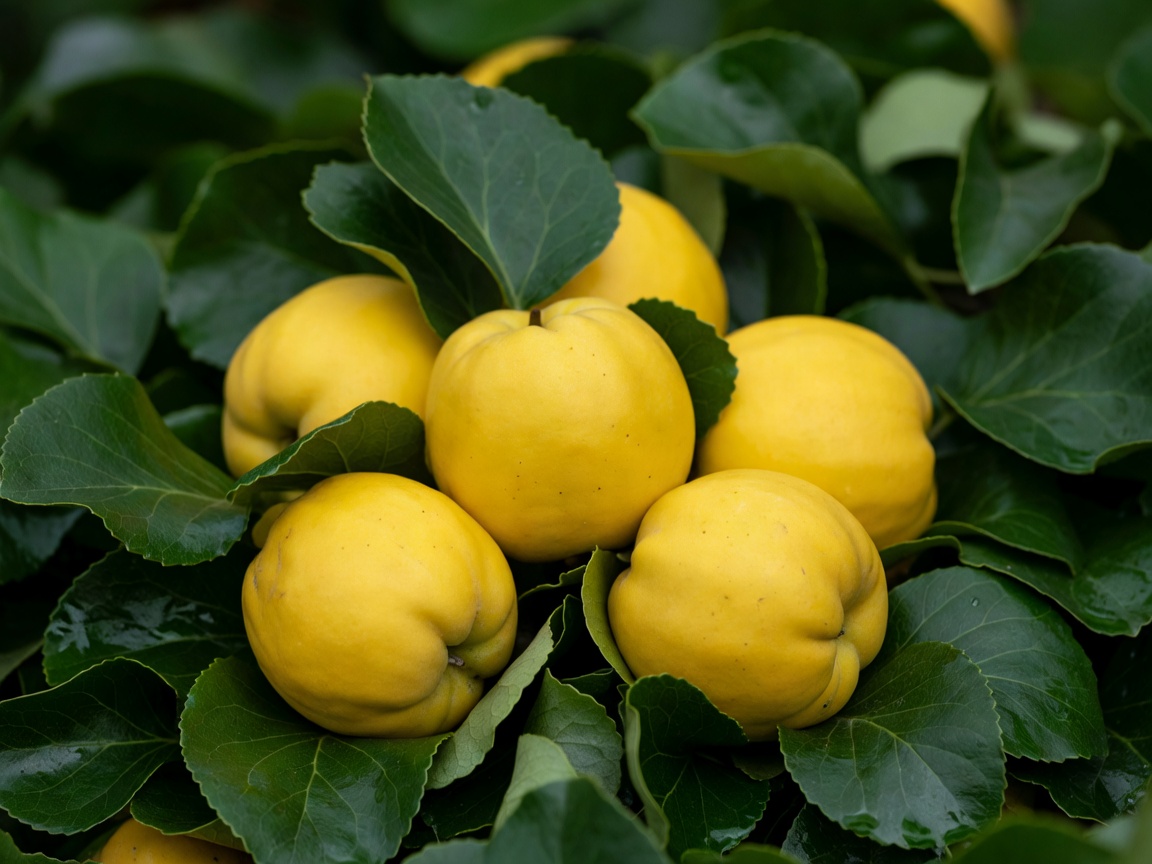
Astringent and unyielding when raw, the quince undergoes a miraculous transformation under low heat, turning deep crimson and releasing floral aromas that have captivated cooks since ancient Greece.
Read Guide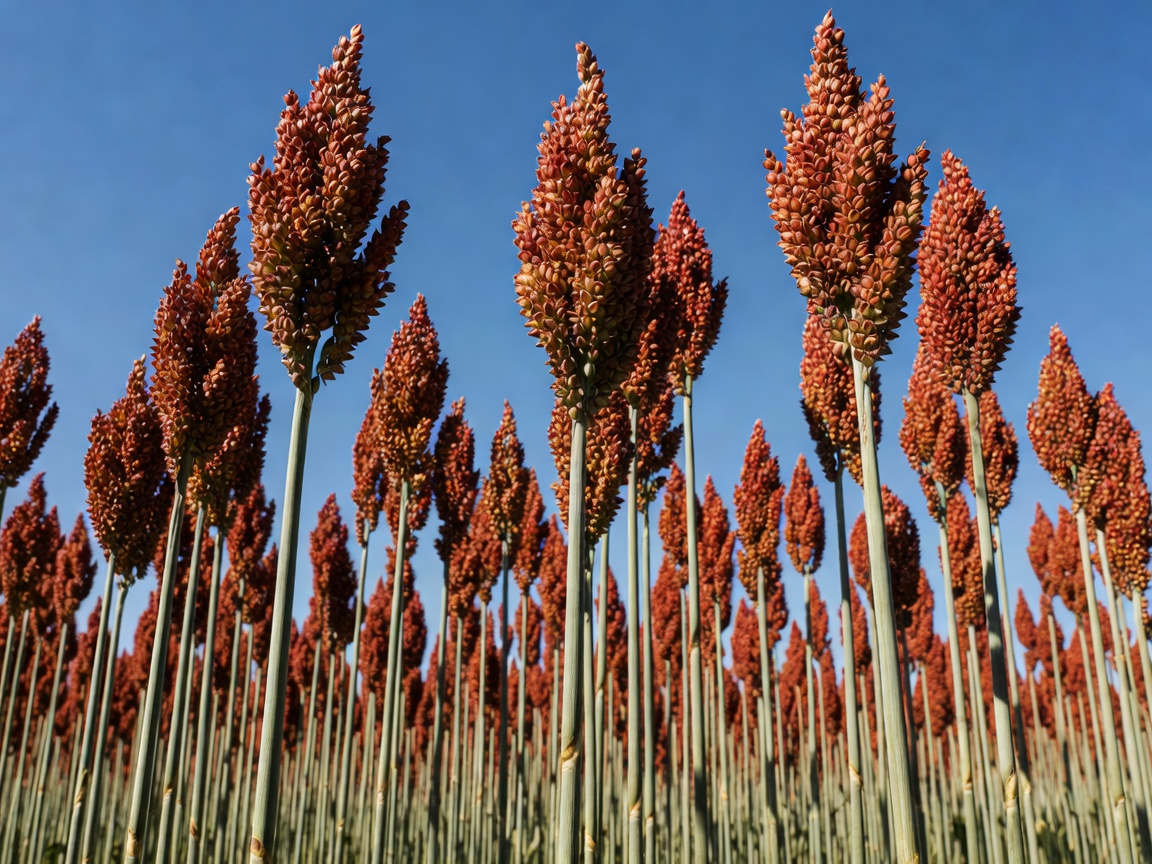
More than just livestock feed, sweet sorghum varieties yield a rich historical syrup, while its gluten-free grain was an essential staple before the overwhelming dominance of modern maize and wheat.
Read Guide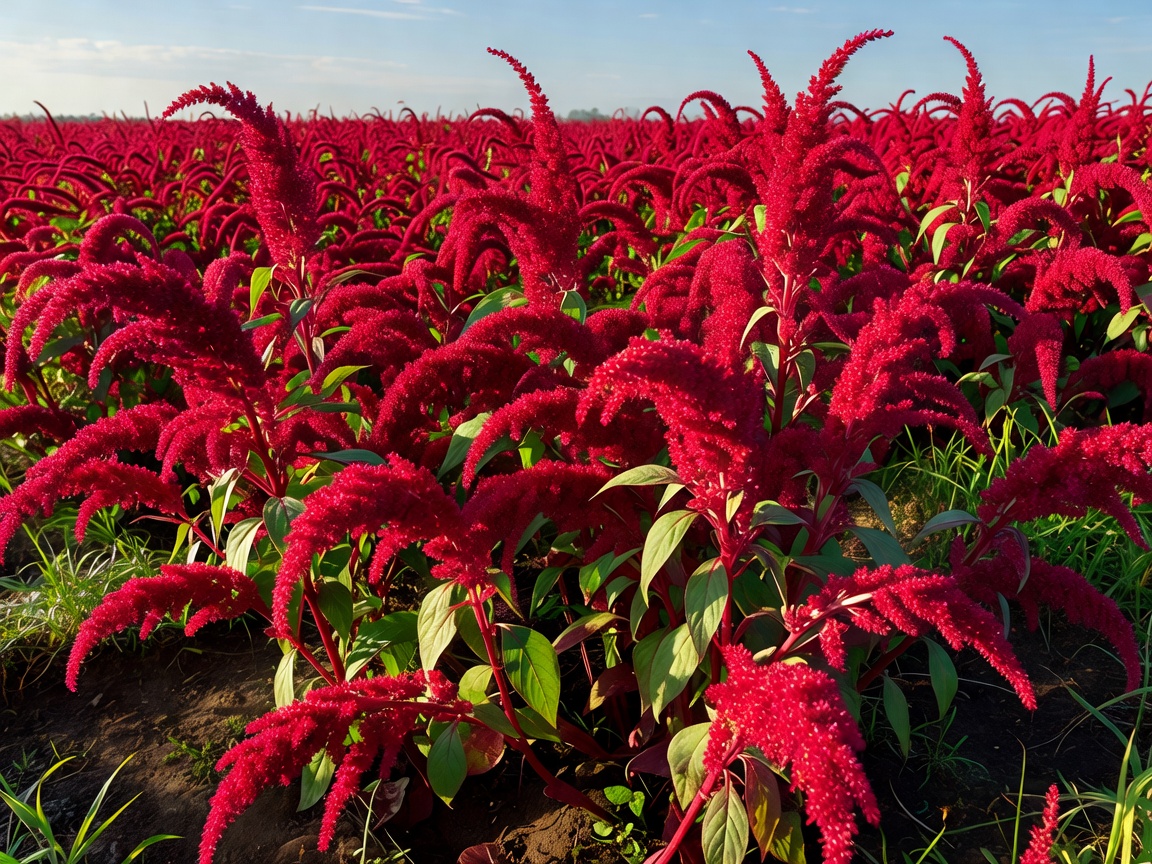
Once central to Aztec rituals and diet, this broad-leafed plant offers highly nutritious greens and tiny seeds that can be popped or milled, surviving centuries of colonial agricultural suppression.
Read GuideOur modern agricultural system is a marvel of logistics, capable of putting flawless, unblemished produce on supermarket shelves across the globe, in any season. However, this miracle of modern logistics came with a profound trade-off.
To ensure crops can survive international shipping, mechanical harvesting, and weeks in cold storage, we bred out thousands of heirloom varieties. We prioritized thick skins over tender flesh, uniform ripening over complex sugars, and pest resistance over nuanced flavour profiles.
The loss of crops like the medlar, the quince, and specific heritage root vegetables means modern palates are deprived of entire spectrums of taste. Bitterness, true astringency, and the intense floral notes of untreated orchard fruits have practically vanished from the standard western diet.
Beyond flavour, monoculture presents severe ecological risks. Ancient grains like sorghum and pseudocereals like amaranth require significantly less water than modern wheat and corn. Rediscovering these foods is not merely an exercise in culinary nostalgia; it is a vital step toward creating a more resilient, climate-adaptable food system for the future.