Sorghum: The Crop of the Future is from the Past
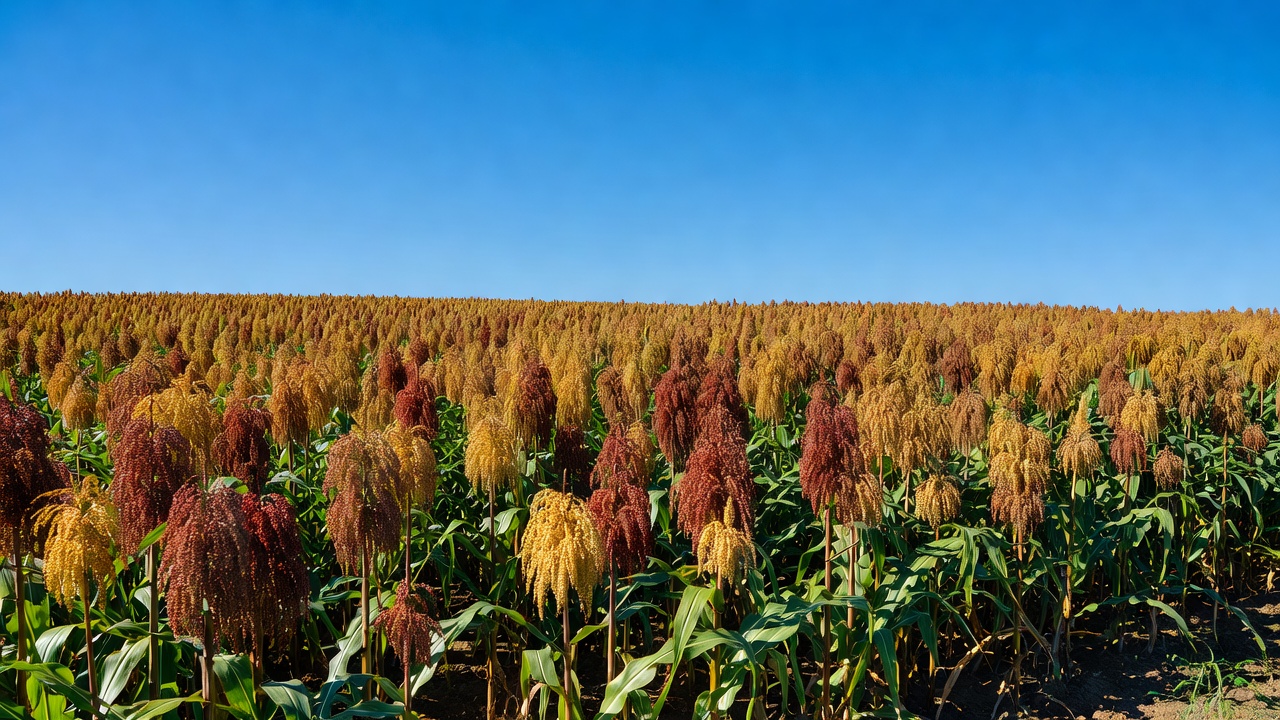
In the hierarchy of global cereal crops, wheat, corn, and rice dominate the modern conversation. Yet, standing tall in the arid fields of history is sorghum (Sorghum bicolor). Originating in Africa thousands of years ago, this remarkable grass is one of the most resilient and versatile crops known to humanity.
In the West, sorghum is frequently relegated to the status of livestock feed or birdseed. However, this ancient grain possesses a rich culinary heritage and an ecological profile that makes it increasingly relevant in a world facing severe climate volatility.
The Sweet Stalk: Sorghum Syrup
In the American South, before the widespread availability of refined white sugar, "sweet sorghum" was a cultural staple. Unlike grain sorghum, sweet varieties are grown specifically for their tall, cane-like stalks. These stalks are crushed in mechanical mills to extract a vibrant green juice, which is then boiled down in massive flat pans over open fires.
"Sorghum syrup is not molasses. While molasses is a byproduct of refining sugarcane, sorghum syrup is the pure, reduced essence of the plant itself—yielding a complex, earthy sweetness with notes of smoke and minerals."
This syrup historically graced biscuits, pancakes, and cornbread. The labor-intensive process of boiling down the juice largely caused its decline in the mid-20th century, but artisanal producers are now leading a localized revival, pricing pure sorghum syrup as a premium heritage product alongside high-grade maple syrup.
A Culinary Grain
Beyond the syrup, the grain heads of sorghum offer tremendous culinary versatility. Because it lacks the hull that encases grains like barley or oats, sorghum can be eaten as a whole grain without intensive processing.
When boiled, the grains take on a chewy, hearty texture reminiscent of Israeli couscous or pearl barley, making them an excellent base for grain bowls or winter salads. Furthermore, the whole grains can be heated in a dry pan until they pop, creating miniature, tender "popcorn" that serves as a delightful garnish or snack.
Sorghum flour is also enjoying a massive surge in popularity. It is naturally gluten-free and lacks the gritty texture of rice flour or the overpowering flavor of quinoa. It behaves remarkably well in gluten-free baking blends, providing a soft, slightly sweet crumb to breads and pastries.
The Environmental Imperative
Perhaps the most compelling argument for the revival of sorghum is agricultural. Sorghum is incredibly drought-resistant. During periods of extreme heat and lack of rainfall, a corn crop will simply wither and die. Sorghum, however, possesses the ability to go dormant. It will halt its growth, wait for rain, and resume growing once moisture returns.
It requires significantly less fertilizer and water than maize, making it an ecologically sound alternative in regions where aquifers are depleting and temperatures are rising.
Looking Forward
Sorghum is a prime example of how looking to forgotten foods can provide solutions to modern problems. It offers a bridge between cultural heritage, dietary needs (gluten-free), and environmental sustainability. It is a crop that deserves to move out of the feed trough and back onto our plates.