Amaranth: The Grain That Survived an Empire
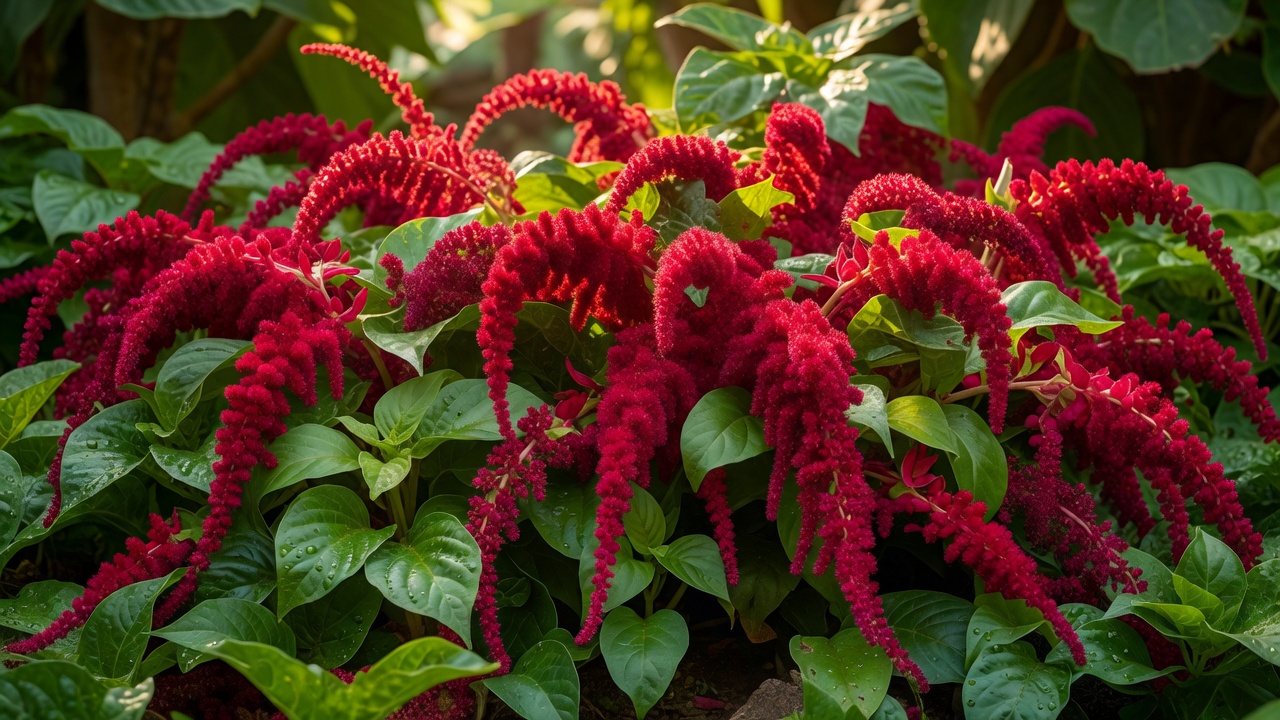
Of all the crops detailed on this site, none has a history quite as dramatic or violent as amaranth. Prior to the Spanish conquest of the Americas, amaranth was a foundational pillar of the Aztec diet, holding an agricultural importance equal to that of maize and beans.
However, amaranth was not merely food; it was deeply intertwined with indigenous religious practices. The seeds were often mixed with honey (and sometimes human blood) to form statues of deities, which were then broken apart and consumed during festivals. Horrified by what they perceived as a mockery of the Christian Eucharist, the Spanish conquistadors outlawed the cultivation of amaranth entirely.
Fields were burned, and anyone caught growing the crop faced severe punishment, including death. The goal was total agricultural erasure. Yet, amaranth survived, cultivated secretly in remote mountain villages until it could slowly begin its modern revival.
A Nutritional Powerhouse
Botanically, amaranth is not a true grain but a "pseudocereal" (like quinoa and buckwheat). The plant itself is striking, often growing over six feet tall with massive, weeping plumes of crimson, gold, or purple flowers. These flowers produce thousands of microscopic seeds.
"Despite their minuscule size, amaranth seeds contain a complete protein profile, including lysine—an essential amino acid remarkably scarce in true cereal grains like wheat and corn."
Beyond the seeds, the broad leaves of the amaranth plant are entirely edible and highly nutritious. In many parts of the world, particularly in Africa and the Caribbean (where it is often called callaloo), amaranth is grown primarily as a leaf vegetable, prepared much like spinach but offering a hardier texture and deeper, earthier flavor.
Culinary Applications Today
Because the seeds lack gluten, amaranth flour cannot be used alone to bake a rising loaf of bread, but it adds a nutty, robust flavor and dense nutrition to flatbreads and blended baked goods.
Perhaps the most popular traditional preparation that survives today is alegría, a traditional Mexican candy. The raw amaranth seeds are tossed into a hot, dry skillet where they pop almost instantaneously, turning into miniature, crunchy white spheres. These popped seeds are then bound together with honey or unrefined cane sugar (piloncillo) and pressed into bars.
When boiled as a porridge, amaranth releases starch and takes on a gelatinous, slightly sticky texture. It is often mixed with oats or cornmeal to improve the mouthfeel while drastically boosting the nutritional profile of the breakfast bowl.
Cultivation and Future Potential
Amaranth is famously vigorous. In fact, one species (Palmer amaranth) is considered a noxious weed in conventional agriculture because it grows so rapidly it out-competes commercial soybeans. But this exact vigor is what makes cultivated amaranth such a promising crop for the future.
It thrives in poor soils, requires minimal water, and handles extreme heat with ease. As global agriculture seeks out crops that can withstand erratic climate patterns while providing dense human nutrition, this once-suppressed pseudocereal is finally taking its rightful place back on the global stage.